Top View Fold Postcard Mockup: A Practical Guide to Professional Presentation
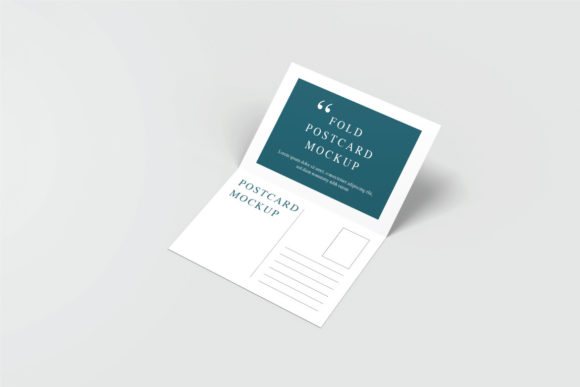
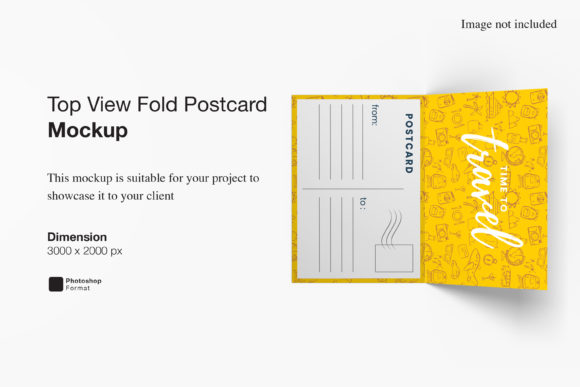
In the fast-paced world of design and marketing, the gap between a digital file and a tangible product often feels like a chasm. Designers spend hours perfecting layouts in software, only to realize that the final printed result might look different than expected. This is where a Top View Fold Postcard Mockup becomes an indispensable asset. It serves as the bridge between abstract creativity and physical reality, allowing professionals to visualize their work in a realistic 3D environment before committing to production.
This tool is not merely a decorative element; it is a strategic component of the modern creative workflow. By providing a high-fidelity representation of a folded postcard viewed from directly above, it enables users to assess composition, typography, and color balance in a context that mimics real-world usage. Whether you are a freelancer pitching to a client or a small business owner preparing for a local campaign, understanding how to leverage this specific mockup format can significantly streamline your planning and execution phases.
Integrating the Mockup into Your Creative Workflow
The true value of the Top View Fold Postcard Mockup lies in its seamless integration into existing processes. Unlike static images that require manual editing in complex layers, this resource is designed for speed and efficiency. The core functionality relies on smart-object features within Adobe Photoshop, a standard industry tool. This means that replacing the current designs with your own artwork happens in seconds, eliminating the tedious process of manually masking and aligning files.
When planning a project, such as a new product launch or a promotional event, the mockup fits naturally into the early stages. You can place your initial concepts into the template immediately after the design phase to gauge visual impact. This allows for rapid iteration. Instead of waiting days for a physical sample, you can test multiple variations of your layout, adjusting fonts, colors, and imagery instantly. This iterative capability is crucial for maintaining consistency across a brand's visual identity while ensuring the final output meets professional standards.
Beyond the initial design phase, the mockup remains useful during client presentations. Clients often struggle to visualize flat files as physical objects. Presenting a top-down view of a folded postcard provides immediate clarity. It helps stakeholders understand the fold lines, the size of the content areas, and how the design wraps around the card. This transparency reduces back-and-forth communication, accelerates decision-making, and builds confidence in the proposed solution.
Technical Specifications and Compatibility
For the mockup to be effective in a professional setting, it must meet rigorous technical requirements. The Top View Fold Postcard Mockup is delivered in PSD Photoshop format, ensuring compatibility with the most widely used design software. The resolution is set at 300 dpi, which is the industry standard for high-quality print production. At a size of 3000x2000 pixels, the file offers ample detail, allowing you to zoom in without losing sharpness when reviewing text or intricate graphics.
The inclusion of a changeable background-color feature adds another layer of utility. In many scenarios, the context in which a postcard is viewed matters. A white background might suggest a clean, corporate presentation, while a textured wooden surface could evoke a more organic, artisanal feel. Being able to alter the background color or texture allows you to tailor the presentation to match the specific mood of your project or the aesthetic of your brand. This flexibility ensures that the mockup adapts to various use cases rather than forcing a single, rigid scenario.
Furthermore, the availability of a PDF help guide ensures that even users who are less familiar with advanced Photoshop techniques can utilize the tool effectively. This documentation acts as a safety net, providing step-by-step instructions on how to access and edit smart objects. It removes the barrier to entry, making the tool accessible to hobbyists, educators, and entrepreneurs who may not have extensive technical training but still require professional-grade results.
Practical Implementation and Best Practices
To get the most out of the Top View Fold Postcard Mockup, it is essential to approach its use with a focus on organization and quality control. Before opening the file, ensure that your source designs are optimized for the intended dimensions. While the smart-object feature handles the placement, starting with high-resolution assets guarantees that the final image retains its crispness. Always check your design against the safe zones indicated by the mockup to prevent critical information from being lost in the fold.
Efficiency is key when working with multiple projects. Create a library of saved versions using different backgrounds or lighting conditions. This organizational strategy allows you to quickly generate a portfolio of options for a client review without recreating the scene each time. When working in a team, clear communication about file versions is vital. Since the mockup includes photos for illustration purposes only, remember to replace these placeholder images with your actual work to avoid confusion or copyright issues.
The mockup also facilitates better collaboration between designers and printers. By sharing the mockup file, you can demonstrate exactly how the design will appear when folded. This shared visual language helps identify potential issues, such as text running too close to the crease or colors shifting unexpectedly. Addressing these concerns digitally saves money and resources that would otherwise be wasted on printing errors. It transforms the mockup from a simple visualization tool into a critical quality assurance checkpoint.
Use Cases Across Different Industries
The versatility of this tool extends across a wide range of professions. For marketers, the Top View Fold Postcard Mockup is ideal for creating social media assets that showcase upcoming mailers or direct mail campaigns. The realistic 3D display captures attention in a crowded digital feed, offering a glimpse of the physical product that drives curiosity.
Educators and students can use the mockup to teach principles of print design, layout, and spatial awareness. It provides a concrete example of how two-dimensional designs translate into three-dimensional objects. Small business owners can use it to prototype packaging or promotional materials before investing in large print runs. Freelancers can include the mockup in their portfolios to demonstrate their ability to deliver polished, presentation-ready work.
Even bloggers and content creators can benefit from this resource. When writing reviews about stationery or discussing design trends, having a high-quality image of a folded postcard enhances the visual appeal of the article. It provides readers with a clearer understanding of the subject matter, increasing engagement and retention.
Maximizing Long-Term Value
Investing in a high-quality mockup is about more than just a single project; it is about building a sustainable workflow. The Top View Fold Postcard Mockup is designed for repeated use. Its non-destructive editing capabilities mean you can return to the file months later to update a design without compromising the integrity of the mockup itself. This longevity makes it a valuable addition to any digital asset library.
Consistency is another factor that contributes to long-term success. By using the same mockup style across different campaigns, you create a cohesive visual narrative. This consistency reinforces brand recognition and professionalism. Whether you are launching a new service or rebranding an existing one, the mockup provides a stable framework upon which to build your visual story.
Ultimately, the goal of using a Top View Fold Postcard Mockup is to elevate the perceived value of your work. It shifts the perception of your designs from simple digital files to tangible, high-quality products. By integrating this tool into your routine, you streamline your planning, enhance your communication, and ensure that your final outputs are always ready for the real world. It is a practical, efficient, and professional choice for anyone serious about their craft.