Understanding the Bifold Brochure Mockup for Professional Design Presentation
In the competitive landscape of graphic design and marketing, the final presentation of a project is often just as critical as the creative work itself. A Bifold Brochure Mockup serves as a bridge between a flat digital file and a tangible product, allowing designers to visualize their work in a realistic 3D environment before it goes to print. This tool is specifically engineered to showcase designs professionally, offering a level of realism that standard screenshots simply cannot achieve. For professionals aged 20 to 50 who are evaluating resources to enhance their portfolio or client presentations, understanding the specific capabilities of this format is essential.
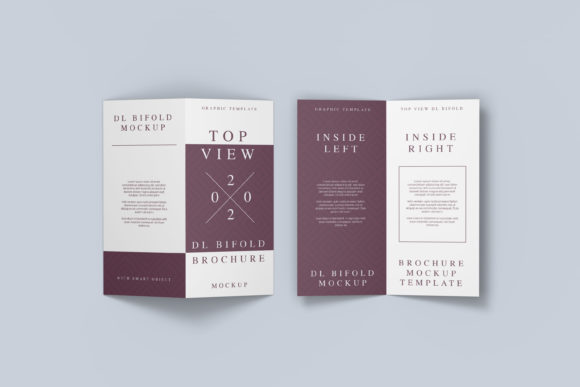
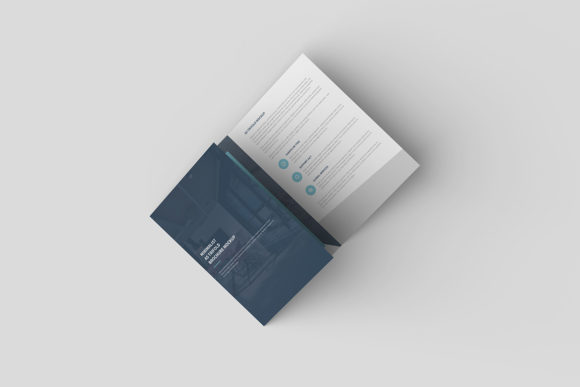
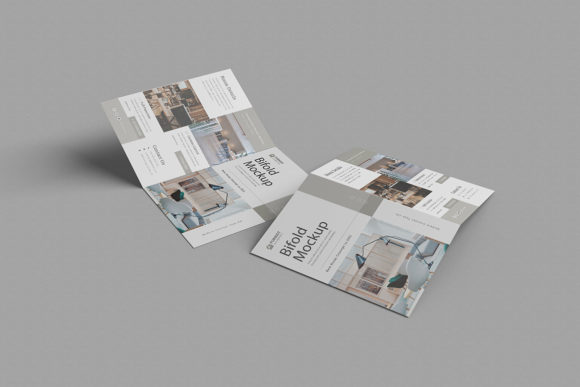
The core value of a Bifold Brochure Mockup lies in its ability to simulate physical reality. When a client reviews a design, they need to see how the folds align, how the paper texture interacts with the ink, and how the overall layout flows from one panel to another. This mockup provides a realistic 3D display that mimics these exact conditions. Unlike generic templates that might look stiff or artificial, a high-quality mockup captures the nuances of lighting and shadow, making the design appear ready for production. This visual fidelity helps stakeholders make more informed decisions about the final product, reducing the risk of costly printing errors or design misinterpretations.
Technical Advantages and Workflow Efficiency
One of the most significant factors when choosing a design resource is the efficiency of the workflow. The Bifold Brochure Mockup is designed with the user's time in mind, utilizing advanced features found in Adobe Photoshop to streamline the process. The primary mechanism for this efficiency is the inclusion of smart-object features. In practical terms, this means that replacing the current design with your own artwork is not a laborious task involving layers, masks, and complex transformations. Instead, users can replace the design easily and quickly, often within seconds.
This functionality is particularly beneficial for freelancers and agencies managing multiple projects simultaneously. Imagine needing to present three different brochure concepts to a single client. With smart objects, you can swap out the content for each concept without altering the lighting, shadows, or perspective of the mockup itself. This consistency ensures that the focus remains on the design variations rather than the technical setup of the image. The ability to change the background color further adds to this versatility, allowing designers to test how their brochure looks against various backdrops—whether it is a clean white surface for a minimalist aesthetic or a textured wood table for a rustic feel.
Resolution and Print Readiness
When evaluating any design asset, resolution is a non-negotiable factor. The Bifold Brochure Mockup is provided in a substantial size of 3000x2000 pixels at 300 dpi. This specification is crucial because it meets the industry standard for high-quality print output. Many lower-resolution mockups may look acceptable on a computer screen but become pixelated or blurry when printed or displayed on large monitors. By starting with a 300 dpi file, designers ensure that their presentations remain crisp whether viewed on a mobile device during a meeting or projected onto a large screen in a conference room.
The combination of high resolution and smart-object technology creates a robust toolkit for professionals. It allows for both digital and physical applications. You can use the file for web portfolios, social media promotions, or email pitches, knowing that the quality will hold up under scrutiny. Furthermore, the inclusion of a PDF help guide ensures that even those less familiar with advanced Photoshop techniques can utilize the template effectively. This educational component reduces the learning curve and empowers users to maximize the potential of the tool immediately upon download.
Evaluating Alternatives and Comparison Points
While the Bifold Brochure Mockup offers a comprehensive solution, it is important to understand how it fits into the broader ecosystem of design tools. There are several other approaches to presenting brochure designs, each with its own set of strengths and limitations. Understanding these differences helps in selecting the right resource for specific scenarios.
- Flat Vector Templates: Some alternatives provide only the flat layout without 3D rendering. While these are excellent for checking alignment and text placement, they lack the emotional impact of a photorealistic preview. A flat template is useful for internal review but often insufficient for convincing a client who needs to visualize the final product.
- Video Animations: Another option is using animated video mockups that rotate the brochure. These are engaging and dynamic but require more processing power and editing skills to customize. They are less flexible for quick changes compared to the static, editable nature of a PSD file with smart objects.
- Generic 3D Models: There are many general 3D models available online that can be manipulated in software like Blender or Cinema 4D. However, these often require significant technical expertise to light and render correctly. They may also lack the specific dimensions and fold structure of a standard bifold brochure, leading to unrealistic proportions.
The distinct advantage of the Bifold Brochure Mockup over these alternatives is its balance of realism and ease of use. It does not require the heavy lifting of 3D modeling software, yet it delivers a result that rivals professional photography. For a designer looking to save time while maintaining high standards, this middle-ground approach is often the most practical choice.
Limitations and Considerations
No tool is perfect, and there are tradeoffs to consider when adopting a Bifold Brochure Mockup. One primary limitation is the dependency on specific software. Since the file is available in PSD Photoshop format, users must have access to Adobe Photoshop to fully utilize the smart-object features. If a team relies on free or open-source alternatives like GIMP or Affinity Photo, compatibility might be an issue, although some workarounds exist. Additionally, the photos used in the preview images are typically not included; they serve solely for illustration purposes. Users should be prepared to source their own high-quality imagery or rely on the blank template if they wish to avoid copyright issues.
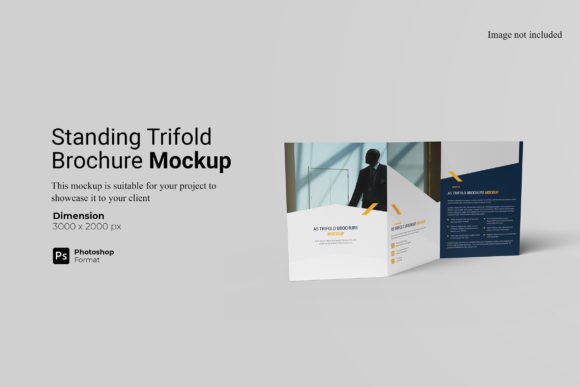
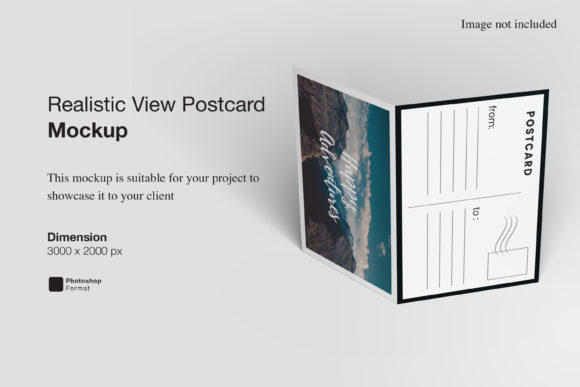
Another consideration is the specificity of the format. A bifold mockup is tailored for a specific folding style. If your project involves a tri-fold, gate-fold, or accordion-style brochure, this particular tool would not be suitable. In such cases, seeking a mockup specifically designed for those formats is necessary to ensure the folds and panels align correctly. It is vital to match the mockup type to the actual product specifications to maintain credibility in your presentation.
Strategic Use Cases and Decision Factors
Determining when to use a Bifold Brochure Mockup versus other resources depends largely on the stage of the project and the intended audience. For early-stage brainstorming sessions where the focus is purely on typography and color theory, a simple flat layout might suffice. However, once the design is finalized and ready for client approval, the transition to a realistic 3D display becomes critical. Clients often struggle to imagine how a flat sheet of paper will transform into a folded document. The mockup solves this cognitive gap by providing a visual anchor.
This tool is particularly effective for portfolio building. When showcasing past work to prospective employers or clients, a well-rendered mockup demonstrates attention to detail and professionalism. It signals that the designer understands the entire production process, from digital creation to physical manifestation. This perception of competence can be a decisive factor in securing contracts or job offers.
Furthermore, the ability to change the background color and quickly swap designs makes this mockup ideal for A/B testing. Designers can create two versions of a brochure with slightly different layouts and present them side-by-side in a mockup setting. This allows for immediate visual comparison, helping clients choose between options based on aesthetics rather than abstract descriptions. The speed of the smart-object feature ensures that this testing process does not bog down the timeline.
Ultimately, the decision to invest in a Bifold Brochure Mockup comes down to the need for clarity and impact. If your goal is to communicate your design vision clearly and efficiently, this tool offers a reliable path forward. It balances the technical requirements of high-resolution output with the practical need for user-friendly editing. By leveraging the smart-object features and adhering to the high standards of the 300 dpi format, designers can ensure their work stands out in a crowded market. Whether you are a seasoned professional or an emerging talent, incorporating this resource into your workflow can elevate the perceived value of your designs and facilitate smoother client interactions.
As you evaluate your options, remember that the best tool is the one that integrates seamlessly into your existing process while enhancing the final output. The Bifold Brochure Mockup stands out as a versatile asset that supports this goal, providing a realistic, editable, and high-quality platform for showcasing your creative efforts. By understanding its capabilities and limitations, you can make an informed decision that aligns with your specific project needs and professional objectives.