Perspective Business Card Mockup: Integrating Realistic 3D Visualization into Professional Workflows
In the competitive landscape of modern branding, the presentation of a design is often as critical as the design itself. A Perspective Business Card Mockup serves as the bridge between a flat digital file and a tangible, three-dimensional reality. It is not merely a visual aid; it is a strategic tool that allows professionals, creators, and entrepreneurs to validate their work before it ever reaches a printer. By simulating a realistic 3D display, this asset transforms abstract concepts into concrete objects that stakeholders can visualize, critique, and approve.
The utility of this mockup extends far beyond simple aesthetics. It fits seamlessly into various stages of a creative process, from the initial planning phase to the final delivery of a project. Whether you are a freelancer pitching to a new client, a marketing team launching a rebrand, or an educator teaching design principles, the ability to showcase designs in a professional, realistic context is essential for effective communication.
Understanding the Role of Perspective Visualization in Design
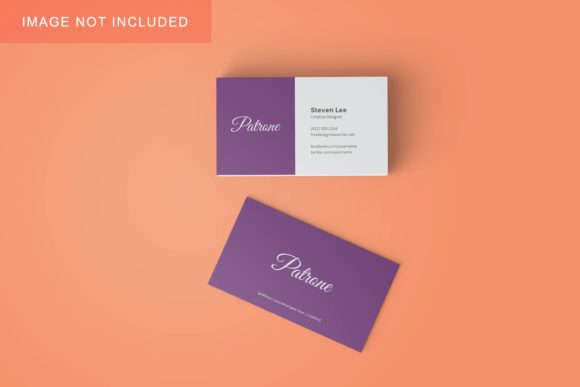
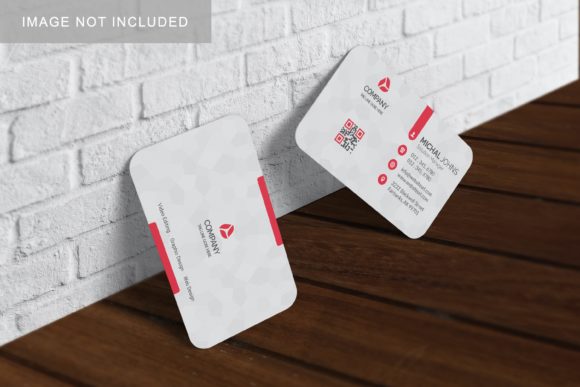
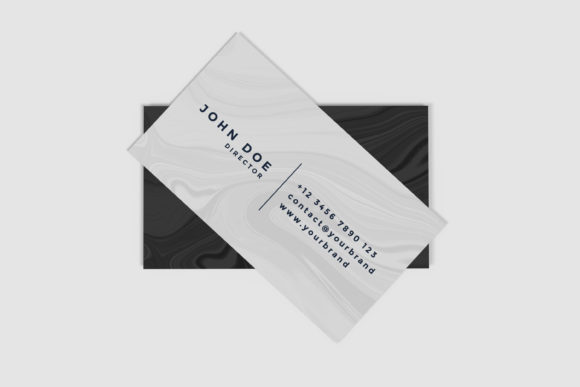
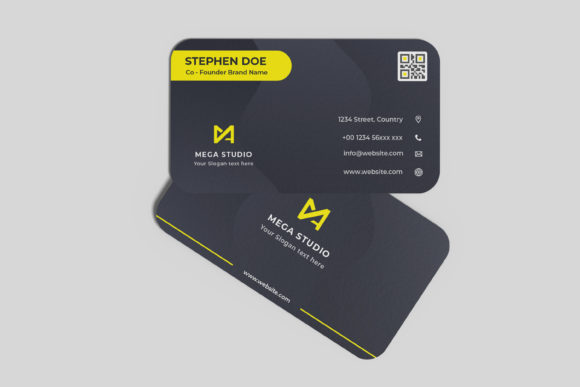
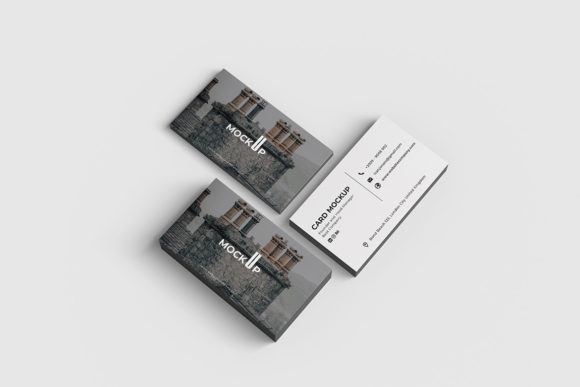
Designers often struggle with the gap between what they see on a screen and how an object looks in the real world. Flat files lack depth, texture, and the interplay of light and shadow that defines physical products. A Perspective Business Card Mockup addresses this disconnect by providing a high-fidelity representation of the final product. The 3000x2000 px resolution at 300 dpi ensures that every detail, from the crispness of the typography to the subtle grain of the cardstock, is visible when viewed at full size.
This level of detail is crucial for quality control. Before committing to a print run, which can be costly and time-consuming, designers can use the mockup to identify potential issues such as color bleeding, incorrect margins, or legibility problems under different lighting conditions. It acts as a pre-emptive check, ensuring that the final output meets professional standards. For small business owners and hobbyists who may have limited budgets, this step prevents expensive mistakes and builds confidence in the final deliverable.
Strategic Integration Across Project Lifecycles
The value of a Perspective Business Card Mockup lies in its flexibility across different phases of a workflow. During the planning stage, it helps teams align on the visual direction without needing to produce physical prototypes. This accelerates decision-making processes, allowing clients to provide feedback based on a realistic expectation rather than a vague imagination.
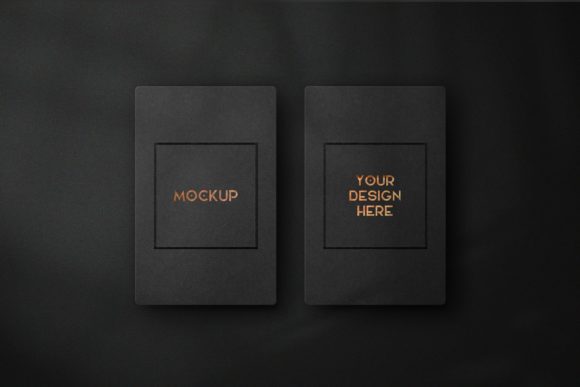
During the execution phase, the mockup serves as a canvas for iteration. Designers can quickly test multiple variations of a layout, color scheme, or font choice. Because the background color is changeable, users can simulate how the card appears against different environments—such as a dark office desk, a bright white table, or a textured leather surface. This contextual testing reveals how the design interacts with its surroundings, ensuring it stands out appropriately in real-world scenarios.
After the project is complete, the mockup becomes a powerful asset for portfolio building and marketing. High-quality images generated from the mockup can be used on websites, social media platforms, and pitch decks to demonstrate professionalism. Unlike generic stock photos, these images are tailored specifically to the designer's unique work, creating a cohesive and authentic brand identity.
Leveraging Smart-Object Technology for Efficiency
The core functionality that makes this tool indispensable is its compatibility with smart-object features in Adobe Photoshop. This technology streamlines the replacement process, allowing users to swap current designs with their own within seconds. Instead of manually placing, resizing, and warping images to fit a perspective, the smart object handles the technical complexities automatically.
This efficiency is particularly beneficial for busy professionals and freelancers who manage multiple projects simultaneously. The ability to replace designs quickly means that more time can be dedicated to creative problem-solving rather than technical manipulation. For educators and bloggers, this feature simplifies the creation of tutorial content, enabling them to demonstrate design changes clearly and concisely.
To maximize the benefits of smart objects, users should ensure their workflow is organized. It is advisable to keep original design files in a separate folder and link them directly to the mockup template. This practice maintains a clean directory structure and prevents version control issues. When updating a design, simply double-click the smart object layer, edit the source file, save it, and watch the mockup update instantly. This non-destructive editing approach preserves the integrity of the original template while allowing for rapid experimentation.
Technical Specifications and Compatibility
The specifications of the Perspective Business Card Mockup are designed to meet industry standards. The 300 dpi resolution ensures that the output is suitable for both digital viewing and high-resolution printing. The large canvas size of 3000x2000 px provides ample room for detailed compositions without compromising image quality. Users working on large monitors or preparing assets for high-end displays will find these dimensions ideal.
Compatibility is another key factor. As a PSD file, the mockup integrates directly into the Adobe Photoshop ecosystem, which remains the industry standard for graphic design. However, users should be aware of the software version requirements. While most versions of Photoshop support smart objects, older versions may have limitations regarding advanced features. Ensuring that your software is up to date guarantees the smoothest experience and access to all available tools.
It is important to note that the photos used in the preview are for illustration purposes only and are not included in the download. This distinction is vital for maintaining copyright compliance. Users must create their own content or use licensed assets to populate the mockup. The provided PDF help guide offers additional instructions on how to navigate the file structure and troubleshoot common issues, serving as a reliable resource for those new to the tool.
Practical Implementation Tips for Diverse Users
Integrating a Perspective Business Card Mockup into your routine requires a thoughtful approach to preparation and execution. For marketers and publishers, consistency is paramount. Develop a library of mockups that match your brand's aesthetic. If your brand uses warm tones, select backgrounds and lighting that complement that palette. This consistency reinforces brand recognition and creates a polished look across all touchpoints.
Freelancers and entrepreneurs can use the mockup to enhance client presentations. Instead of sending a flat JPEG or PDF, include a rendered image of the business card in a realistic setting. This visual storytelling technique helps clients understand the value of the design and justifies the investment. It demonstrates attention to detail and a commitment to delivering a premium product.
For educators and learners, the mockup serves as an excellent teaching aid. It allows students to visualize the impact of their design choices in a three-dimensional space. Instructors can assign tasks where students must adapt their designs to different contexts using the changeable background-color feature. This exercise encourages critical thinking about how design elements interact with their environment.
Optimizing Workflow and Organization
To maintain efficiency, organize your files logically. Create a dedicated folder for mockups and subfolders for different projects or clients. Name your files descriptively to avoid confusion later. For example, use names like "ClientName_CardMockup_v1.psd" instead of generic titles. This organizational strategy saves time during the retrieval and review process.
When using the mockup, pay attention to lighting and shadows. Even though the template includes realistic rendering, adjusting the lighting settings in your design file can enhance the overall effect. Ensure that any textures or gradients in your design align with the lighting direction of the mockup. This attention to detail elevates the realism of the final image.
Finally, consider the long-term use of the mockup. Since the file is reusable, it can become a staple in your toolkit. Regularly update the template with new trends or improvements to keep your presentations fresh. By treating the Perspective Business Card Mockup as a dynamic resource rather than a static asset, you can continuously improve the quality and impact of your design communications.
In conclusion, this tool represents a significant step forward in how professionals approach design visualization. By combining high-resolution capabilities with user-friendly smart-object technology, it empowers users to produce professional-grade presentations efficiently. Whether you are refining a personal brand, managing a corporate campaign, or teaching the next generation of designers, the integration of a realistic 3D display into your workflow enhances clarity, reduces errors, and elevates the perceived value of your work.