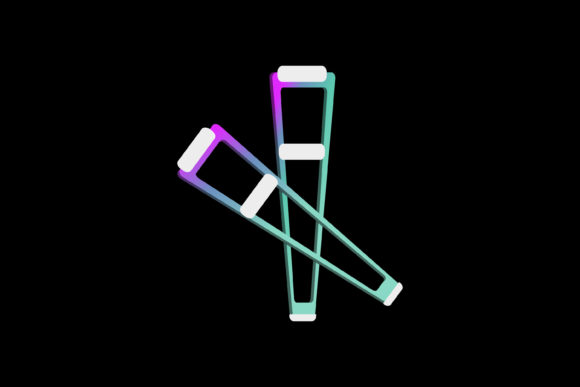
Medical Icon with Cool 3d Crutches: A Practical Guide to Integration and Workflow Optimization
In the modern digital landscape, visual communication is not merely decorative; it is a functional component of information delivery. Whether you are designing patient education materials, creating content for health-focused blogs, or developing marketing assets for medical startups, the choice of imagery significantly impacts user engagement and comprehension. The Medical Icon with Cool 3d Crutches represents a specific intersection of aesthetic appeal and functional clarity. This vector illustration art design is more than just a graphic asset; it is a versatile tool that can streamline your creative workflow when integrated correctly into broader project plans.
This article explores how professionals, creators, and entrepreneurs can effectively utilize this specific medical icon within their daily operations. We will examine its technical specifications, practical use cases across various industries, and strategies for maintaining consistency in design systems. By understanding the mechanics of how these assets interact with different platforms and workflows, you can move beyond simple usage toward strategic implementation.
Understanding the Asset: Technical Specifications and Format Utility
Before diving into application, it is essential to understand what constitutes a high-quality vector asset. The Medical Icon with Cool 3d Crutches is delivered in multiple formats: Ai, EPS, JPG, and PNG. Each format serves a distinct purpose in the production pipeline, and knowing when to switch between them is critical for efficiency.
- Ai (Adobe Illustrator) and EPS: These are the source files. They contain editable vectors, allowing you to modify colors, shapes, and scales without losing resolution. This is crucial during the planning and drafting phases of a project where concepts are fluid and subject to change.
- PNG: Portable Network Graphics offer transparency support, making them ideal for layering over different backgrounds in web design or presentation software. Use PNGs when you need quick integration into digital mockups or social media posts.
- JPG: Joint Photographic Experts Group files are compressed raster images suitable for final print outputs where transparency is not required. They are smaller in file size, facilitating faster loading times for websites or easier email attachments.
For users who prioritize organization and long-term asset management, keeping the original Ai or EPS files in a structured library ensures that you can adapt the icon for future campaigns without needing to recreate or re-download resources. This practice supports scalability and reduces redundant work.
Strategic Application in Creative Workflows
The versatility of the Medical Icon with Cool 3d Crutches allows it to fit into various stages of a creative process. Below are specific scenarios where this asset adds value to your workflow.
Content Creation and Blogging
For bloggers and educators in the health and wellness niche, visual breaks are essential for reader retention. Text-heavy articles about recovery, physical therapy, or injury prevention can become monotonous. Inserting a high-quality 3D crutch icon helps to visually anchor sections related to mobility aids or rehabilitation. Because the icon is available as a vector, you can ensure it matches your brand’s color palette exactly, maintaining visual consistency throughout the article. This attention to detail enhances perceived authority and trustworthiness, key factors in E-E-A-T (Experience, Expertise, Authoritativeness, and Trustworthiness) for health-related content.
DIY Projects and Greeting Cards
Hobbyists and small business owners often create personalized greeting cards or DIY gifts for friends recovering from surgery. The cool 3D style of this icon adds a modern, upbeat touch compared to traditional, sterile medical illustrations. When preparing these projects, use the EPS or Ai file to customize the design. You might adjust the hue to match a recipient’s favorite color or combine the crutch icon with motivational quotes. The ease of editing these vector files means you can experiment rapidly before committing to the final print layout.
Marketing and Branding Materials
Entrepreneurs launching health-tech apps or physical therapy clinics need branding that feels approachable yet professional. A stylized 3D crutch icon can serve as a mascot element or a section header in brochures and posters. In the initial brainstorming phase, use the transparent PNG versions to test placement on various background colors. Once the design is finalized, export the vector files for high-resolution printing. This transition from low-fidelity testing to high-fidelity output saves time and ensures that the final product meets quality control standards.
Integration with Other Tools and Platforms
No asset exists in isolation. The effectiveness of the Medical Icon with Cool 3d Crutches depends on how well it integrates with your existing toolkit. Here is how to manage this integration smoothly.
Design Software Compatibility
If you use Adobe Creative Cloud, the Ai and EPS files integrate seamlessly. You can drag and drop the vector directly into Illustrator, Photoshop, or InDesign. For those using alternative tools like Canva, Figma, or Affinity Designer, the PNG and SVG-compatible nature of the assets ensures smooth operation. Always check the layer structure of the downloaded files to ensure elements are grouped logically. This simplifies the process of isolating specific parts of the icon, such as separating the crutches from any accompanying text or background elements.
Web Development and UI/UX Design
In user interface design, performance matters. While the vector source files are large, converting them to optimized SVG (Scalable Vector Graphics) code can enhance website speed. Many developers prefer SVG because it remains crisp at any screen size and has a small footprint. If your workflow involves coding, consider exporting the icon as an SVG from the Ai file. This allows for CSS manipulation, enabling interactive effects such as hover states or animations, which can improve user experience in health applications.
Print Production
When moving from digital to physical media, resolution and color mode are critical. Ensure that your final exports for print are in CMYK color mode if your printer requires it, even though the original design may be in RGB. The JPG and high-resolution PNG options provided are suitable for most standard printing needs, but always consult with your print provider regarding bleed areas and DPI requirements (typically 300 DPI for sharp prints). Using the vector source allows you to scale the icon up for large-format posters without pixelation, ensuring professional results regardless of the medium.
Best Practices for Consistency and Quality Control
To maximize the utility of this asset, adopt a disciplined approach to asset management and design consistency.
- Maintain a Central Repository: Store the Ai, EPS, JPG, and PNG files in a cloud-based folder structure labeled by date and project type. This prevents version control issues and ensures that team members access the latest approved assets.
- Standardize Color Usage: Define a specific hex code or Pantone reference for the icon’s primary colors. Apply this consistently across all materials, from blog headers to printed flyers. Consistency reinforces brand recognition and creates a cohesive visual identity.
- Respect Negative Space: When placing the Medical Icon with Cool 3d Crutches on posters or cards, leave adequate breathing room around the edges. Cluttered designs reduce readability and diminish the impact of the illustration. Use grid systems in your design software to align the icon precisely with other elements.
- Test Across Devices: If the icon is used digitally, preview it on mobile, tablet, and desktop screens. The 3D effect should remain clear and legible at smaller sizes. If details are lost on mobile, consider simplifying the icon or providing a flat alternative for responsive design.
Long-Term Value and Scalability
Investing in high-quality vector assets like the Medical Icon with Cool 3d Crutches offers long-term benefits. Unlike static raster images that may become outdated or lose quality upon resizing, vectors are timeless. As trends shift, you can easily update the colors or styles of the icon to reflect current design aesthetics without starting from scratch. This flexibility is particularly valuable for businesses that operate over extended periods and need to maintain relevance.
Furthermore, the broad range of applications—from educational handouts to commercial advertising—means that a single purchase can support multiple revenue streams or communication goals. By integrating this asset thoughtfully into your workflow, you not only save time on design execution but also elevate the overall quality of your output. Whether you are a freelancer managing multiple client projects or an educator creating engaging course materials, the ability to quickly adapt and deploy professional-grade graphics is a significant competitive advantage.
In conclusion, the Medical Icon with Cool 3d Crutches is more than a simple illustration; it is a multifunctional tool that enhances communication efficiency. By leveraging its technical features and adhering to best practices in integration and quality control, you can ensure that your visual content is both impactful and professionally polished. Embrace the flexibility of vector design to streamline your processes and achieve consistent, high-quality results across all your projects.