Liquid 3d Abstract Background Graphic
Visual impact is the first thing a viewer notices, and choosing the right backdrop can make or break that initial impression. When you are designing for digital platforms, print materials, or social media campaigns, the difference between a generic template and a polished, professional asset often comes down to subtle details in resolution, color space, and file format. This is where a Liquid 3d Abstract Background Graphic becomes more than just decoration; it serves as a foundational element that sets the tone for your entire project. Whether you are a freelancer creating a portfolio, a marketer launching a product, or an educator preparing engaging slides, understanding the technical specifications behind these assets is crucial for achieving high-quality results.
Understanding the Technical Specifications
Many creators overlook the importance of metadata and technical constraints when downloading graphics. A common mistake is assuming that any image labeled "HD" will suffice for all purposes. However, precision matters significantly when dealing with abstract designs that rely on smooth gradients and complex lighting effects. The standard size of 1920 x 1080 px is widely recognized as Full HD, making it ideal for web headers, desktop wallpapers, and video backgrounds. But width alone does not guarantee quality.
Resolution plays a pivotal role here. A specification of 300dpi (dots per inch) is typically associated with print-ready files, ensuring that text and edges remain crisp even when scaled down for brochures or business cards. In contrast, screen-based designs often operate at 72dpi. If you are using this graphic for both digital and physical outputs, verifying that the source file supports high-density rendering prevents pixelation issues later. Furthermore, the distinction between RGB Colors for screens and CMYK for print cannot be overstated. Using an RGB-heavy liquid design in a print layout without conversion can result in dull, muddy colors that fail to capture the vibrant energy of the original illustration.
File Formats and Compatibility
The availability of both JPEG and PNG formats offers flexibility, but each has distinct use cases. JPEG files are compressed, resulting in smaller file sizes that load faster on websites. This makes them suitable for hero images on landing pages or email newsletters where bandwidth efficiency is key. However, JPEG compression can introduce artifacts in smooth gradient areas, which are prevalent in liquid abstract designs. On the other hand, PNG files support transparency and lossless compression, preserving the integrity of sharp edges and subtle color transitions. If your design requires the background to blend seamlessly over other elements, such as in an e-card or a layered website interface, the PNG version is the superior choice despite its larger file size.
Illuminating Common Pitfalls in Design Application
One frequent error involves ignoring the context of the content placed atop the background. Liquid 3D graphics often feature dynamic flows, bright highlights, and deep shadows. Placing light-colored text over a bright section of the graphic reduces readability, while dark text against a shadowed area may disappear entirely. This oversight affects user experience directly, leading to higher bounce rates on websites or ignored messages in marketing materials. To avoid this, always test your typography against various sections of the background before finalizing the design.
Another misunderstanding relates to licensing and usage rights. While many resources offer free downloads, not all are cleared for commercial use. Assuming that a graphic found online is free to use for a client’s brand identity can lead to legal complications. Always verify if the asset includes a Commercial License or if it is restricted to personal projects only. Additionally, some platforms may restrict the redistribution of raw graphic files, meaning you cannot resell the background as-is. Understanding these nuances protects your reputation and ensures ethical design practices.
The Importance of Version Control
You might encounter references to specific versions, such as Illustration Version 10 or compatibility with CC Version. These terms often refer to the software environment used to create or edit the vector components underlying the raster image. For professionals working in Adobe Creative Cloud ecosystems, knowing the native file format allows for easy editing of layers, adjusting opacity, or modifying specific elements of the liquid flow. If you are a beginner relying solely on flattened JPEGs, you lose this adaptability. Therefore, checking whether editable source files are included can save significant time during revisions.
Strategic Uses Beyond Standard Web Design
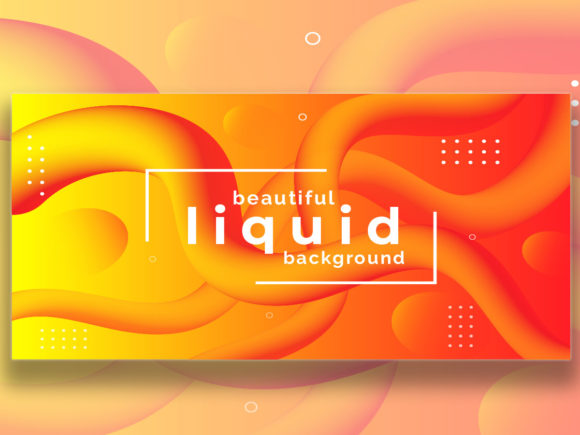
While web banners are the most obvious application, the versatility of a warm-themed abstract background extends further. Consider the growing trend of personalized digital communication. An e-card designed with a liquid 3D aesthetic feels modern and emotive, perfect for birthdays or anniversaries. The warmth of the color palette enhances feelings of affection and connection, making it an excellent choice for love theme greetings. Similarly, educators can use these visuals to break up dense text in presentations, keeping students engaged without distracting from the core material.
For entrepreneurs and small business owners, consistency in branding is vital. Using a cohesive set of abstract backgrounds across social media posts, email signatures, and presentation decks creates a recognizable visual identity. However, ensure that the chosen graphic aligns with your brand’s voice. A fluid, organic shape might suit a wellness or creative agency, whereas a more structured abstract might fit a tech startup better. Evaluating how the graphic complements your existing logo and color scheme ensures harmony rather than conflict.
Evaluating Quality Before Purchase or Download
Before integrating a Liquid 3d Abstract Background Graphic into your workflow, take a moment to inspect the preview closely. Look for unnatural repetitions in patterns, blurry edges, or inconsistent lighting directions. High-quality illustrations maintain logical light sources throughout the composition. If the highlights and shadows contradict each other, the image will feel flat and unprofessional upon closer inspection. Additionally, check the aspect ratio flexibility. Even if the primary size is 1920x1080, having the ability to crop or extend the canvas without losing detail is a valuable feature for responsive web design.
Finally, consider the emotional resonance of the design. Warm tones evoke comfort, energy, and optimism, while cooler liquids suggest calmness and professionalism. Aligning the psychological impact of the background with your message strengthens communication. By paying attention to these technical and artistic details, you transform a simple background into a powerful tool that enhances your content’s effectiveness. Remember, the best design choices are those that balance aesthetic appeal with functional reliability, ensuring your work stands out for all the right reasons.