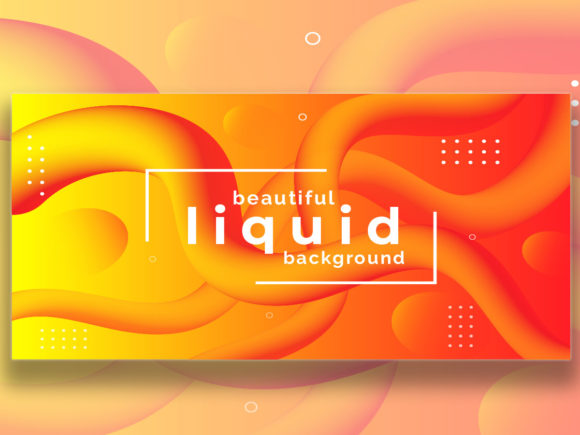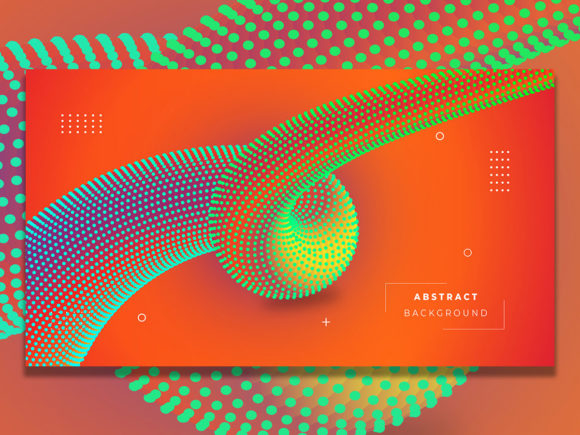
Colorful 3d Abstract Background Graphic
In the modern digital landscape, visual hierarchy and aesthetic appeal are not merely decorative choices; they are fundamental components of user experience and brand communication. For professionals ranging from marketers to educators, the ability to quickly produce high-quality, engaging visuals is a critical skill. One asset that has gained significant traction in recent years is the Colorful 3d Abstract Background Graphic. This specific type of imagery serves as a versatile foundation for various creative projects, offering depth, movement, and emotional resonance without overwhelming the primary content.
Understanding how to effectively utilize these graphics requires moving beyond simple download-and-use methodologies. It involves integrating the asset into a broader workflow that considers resolution, color space, file format, and thematic consistency. Whether you are designing a web interface, creating an e-card, or preparing a presentation, the technical specifications and artistic qualities of this graphic play a pivotal role in the final outcome.
Technical Specifications and Workflow Integration
The effectiveness of any design asset is heavily dependent on its technical parameters. The Colorful 3d Abstract Background Graphic described here comes with precise specifications that dictate where and how it can be applied. Understanding these details ensures compatibility across different platforms and prevents common pitfalls such as pixelation or color distortion.
- Resolution: At 300dpi (dots per inch), this graphic meets print-ready standards. This is crucial for professionals who need to transition from digital mockups to physical outputs, such as brochures, business cards, or event banners. A lower resolution would result in blurry text or jagged edges when scaled up, compromising the professional integrity of the work.
- Dimensions: The standard size of 1920x1080 pixels aligns perfectly with Full HD display requirements. This makes it ideal for website headers, social media covers, and video backgrounds. However, because it is a fixed dimension, designers must plan their layout carefully to ensure key elements do not get cropped on devices with different aspect ratios.
- File Formats: Availability in both JPEG and PNG formats offers flexibility. JPEG files are smaller and suitable for web use where loading speed is prioritized, while PNG files preserve transparency (if applicable) and offer lossless compression, making them better for designs requiring overlay effects or further editing in software like Photoshop or Canva.
- Color Mode: Specified as RGB colors, this graphic is optimized for screen-based media. If you intend to use it for large-scale printing, a conversion to CMYK may be necessary to prevent color shifts, although starting with a high-quality RGB source minimizes quality loss during conversion.
By acknowledging these specifications early in the planning phase, creators can avoid rework. For instance, a freelancer working on a client’s website should verify if the background needs to be responsive. If so, using the 1920x1080 version as a base layer allows for easy cropping and scaling within CSS frameworks, ensuring the abstract shapes remain visually balanced across desktop and mobile views.
Creative Applications and Use Cases
The term "abstract" often implies ambiguity, but in graphic design, abstraction provides a safe canvas for diverse messaging. The vibrant nature of the Colorful 3d Abstract Background Graphic allows it to adapt to multiple contexts without dictating a specific narrative. This neutrality is its greatest strength, enabling users to project their own content onto the visual field.
Digital Marketing and Web Design
For bloggers and small business owners, first impressions are formed in milliseconds. A clean, colorful abstract background can enhance readability and guide the user’s eye toward call-to-action buttons. When used on landing pages, the depth created by the 3D effect adds sophistication, distinguishing the brand from competitors using flat, two-dimensional designs. It is essential, however, to maintain contrast. Overlaying white or dark semi-transparent boxes over the graphic ensures that text remains legible, adhering to accessibility standards.
Personal Communication and E-Cards
On a more personal level, this graphic excels in emotional communication. The prompt mentions its suitability for "love background" and "love theme greetings." The fluidity of 3D abstract forms mimics organic shapes found in nature, evoking feelings of warmth and connection. Educators or hobbyists creating digital invitations for weddings, anniversaries, or Valentine’s Day events can leverage these colors to set a romantic tone. Because the file is available in high resolution, even detailed text added via photo editing tools will appear crisp, adding a touch of professionalism to personal correspondence.
Presentations and Educational Materials
Educators and corporate trainers often struggle with bland slide decks. Using this graphic as a master slide background can instantly elevate the visual impact of a presentation. The lack of specific figurative elements means it does not distract from data charts or bullet points. Instead, it provides a dynamic environment that keeps the audience engaged. For productivity-minded users, having a library of such pre-designed backgrounds saves hours of creation time, allowing focus to shift entirely to the content being delivered.
Implementation Strategies for Consistency
Integrating a stock or template graphic into a cohesive design system requires attention to detail. Simply dropping the image into a document is rarely sufficient for a polished result. Here are practical steps to ensure the Colorful 3d Abstract Background Graphic enhances rather than detracts from your project.
- Color Harmony Analysis: Before applying the graphic, analyze its dominant hues. If the background contains strong reds and blues, choose typography and accent colors that complement rather than clash. Tools like Adobe Color or Coolors can help identify complementary palettes. For example, neutral whites, grays, or soft pastels often work best to let the colorful background shine without causing visual fatigue.
- Layering and Opacity: To improve text legibility, consider placing a subtle gradient overlay or a blurred duplicate of the background behind your text. This technique creates depth and separates the foreground content from the busy abstract patterns. Adjusting the opacity of the background layer itself can also soften the intensity, making it more suitable for reading-heavy documents.
- Consistent Branding: For entrepreneurs and marketers, consistency is key. If your brand guidelines specify certain fonts or logo placements, test how these interact with the 3D graphic. Ensure that the logo is placed in an area of the image with sufficient negative space or lighter tones. This prevents the logo from getting lost in the complex folds and shadows of the abstract design.
- Version Control: Since the asset is listed under "Illustration Version 10," keep track of updates. As design trends evolve, newer versions might offer improved lighting or texture. Maintaining a structured folder system where you store original assets alongside edited versions ensures that you can revert changes or scale designs for different mediums without losing quality.
Long-Term Value and Asset Management
In a world of fleeting digital trends, investing in high-quality, timeless assets pays off. The Colorful 3d Abstract Background Graphic represents a reusable resource that can serve multiple projects over time. Unlike temporary meme images or trend-specific graphics, abstract art tends to have a longer shelf life. Its non-representational nature allows it to fit into seasonal campaigns, holiday promotions, or evergreen educational content.
For freelancers and publishers, building a personal library of such high-resolution, multi-format assets is a strategic move. It reduces dependency on last-minute searches and allows for faster turnaround times. When clients request urgent revisions or new materials, having a curated collection of compatible backgrounds ensures that quality remains consistent. Furthermore, understanding the technical limits—such as the 300dpi print standard—empowers users to confidently upsell services that include both digital and print deliverables, knowing the source material supports both.
Ultimately, the value of this graphic lies not just in its appearance, but in its utility. By treating it as a foundational element in a deliberate design process, creators can unlock its full potential. Whether enhancing a love-themed e-card or structuring a corporate website, the integration of a well-specified, colorful 3D abstract background contributes to a more professional, engaging, and effective communication strategy. The key is to approach each project with an understanding of the asset’s capabilities, ensuring that every deployment is intentional, technically sound, and visually harmonious.