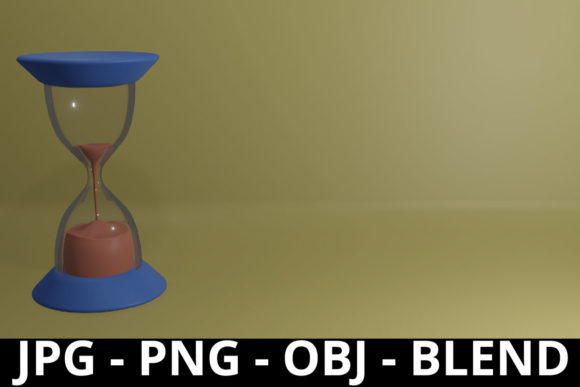
Hourglass 3D Rendering for Background: A Comprehensive Guide to Timeless Visual Assets
In the realm of digital design and visual communication, few symbols convey the passage of time as effectively or aesthetically as the hourglass. As a motif that bridges the gap between antique elegance and modern minimalism, the hourglass 3d rendering for background applications has become increasingly prevalent across various creative industries. Whether you are a graphic designer seeking a sophisticated texture for a project, a developer building an immersive web experience, or a marketer crafting a campaign around deadlines and urgency, understanding the nuances of these assets is crucial.
The availability of high-quality digital assets in formats such as JPG, PNG, BLEND, and OBJ allows creators to integrate realistic timepieces into their workflows with unprecedented ease. This article explores the multifaceted world of 3D rendered hourglasses, examining their technical specifications, artistic value, and practical applications in contemporary design.
The Anatomy of a Digital Hourglass
To truly appreciate the utility of a 3d rendering hourglass perfect for background or wallpaper presentation, one must first understand the components that make up these digital objects. Unlike a simple 2D illustration, a 3D model offers depth, volume, and interaction with light. The standard ZIP folder containing these assets typically includes multiple file types, each serving a distinct purpose in the production pipeline.
- JPG and PNG Files: These raster images provide immediate visual context. High-resolution PNGs are particularly valuable because they often include transparency, allowing designers to overlay the hourglass onto any background without worrying about awkward white boxes or borders. The shiny and reflective qualities of the glass are captured in these renders, showcasing how light interacts with the crystal surface.
- BLEND Files: For users of Blender, the .blend file is the gold standard. It contains the entire scene setup, including lighting, camera angles, materials, and the geometry itself. This allows professionals to tweak the environment, adjust the speed of the falling sand simulation, or change the color palette to match a specific brand identity.
- OBJ Files: The .obj format is a universal exchange format compatible with almost all 3D software, from Maya and 3ds Max to Cinema 4D. This ensures that a designer working in one ecosystem can seamlessly import an asset created in another, preserving the geometric integrity of the wood frame and the glass vessel.
Visual Characteristics and Aesthetic Appeal
The aesthetic power of the hourglass lies in its duality. It is both a functional tool and a piece of art. When rendered in 3D, these characteristics are amplified. The contrast between the warm, organic tones of the antique wood and the cool, transparent clarity of the glass creates a compelling visual tension. This juxtaposition is what makes the hourglass 3d rendering for background so versatile.
Consider the element of reflection. In a well-rendered scene, the hourglass does not exist in isolation; it reflects its surroundings. This adds a layer of realism that flat illustrations cannot achieve. The closeup shots available in many asset packs allow designers to focus on intricate details—the grain of the wood, the smooth curvature of the glass, and the individual grains of sand suspended in mid-air. These details contribute to a sense of slow movement, even in a static image, evoking a feeling of patience and deliberation.
Furthermore, the concept of retro design is heavily influenced by the hourglass. Its classic shape harkens back to a period when time was measured mechanically rather than digitally. Incorporating this object into modern designs creates a nostalgic yet timeless appeal, bridging the gap between the past and the present.
Practical Applications in Modern Design
The versatility of 3D hourglass assets extends far beyond mere decoration. They serve specific functional roles in various design contexts, enhancing the narrative and user experience.
Web Design and User Interface
In web design, the hourglass is often used as a metaphor for loading, waiting, or processing. However, instead of using a generic spinner, designers can employ a custom 3D render of an hourglass to create a more engaging loading state. A transparent PNG of an hourglass with falling sand can be animated using CSS or JavaScript to simulate the flow of time, providing a visually pleasing alternative to standard progress bars. This approach is particularly effective for websites dealing with complex data analysis, research tools, or educational platforms where the concept of measurement is central.
Marketing and Advertising
For businesses operating in competitive markets, the concept of deadline and urgency is powerful. An advertisement featuring a dramatic, high-contrast 3D render of an hourglass can instantly communicate the limited nature of an offer. The speed at which the sand falls can be manipulated in post-production to increase the perceived urgency. Additionally, luxury brands may use the classic and antique aspects of the hourglass to emphasize heritage, craftsmanship, and enduring quality.
Education and Presentation
Educators and presenters can leverage 3D hourglass assets to illustrate concepts related to time management, history, or physics. A slide deck featuring a high-quality 3D render of an hourglass can break the monotony of text-heavy presentations. The space occupied by the object in the frame draws the eye, making it an effective focal point. Moreover, the ability to rotate or zoom in on a 3D model during a live presentation can enhance engagement and demonstrate a deeper understanding of the subject matter.
Technical Considerations for Implementation
While the visual appeal of 3D hourglass assets is undeniable, integrating them into a project requires careful technical consideration. The choice of file format depends largely on the intended use case and the software being utilized.
- File Size and Optimization: High-resolution 3D renders can result in large file sizes, which may impact page load times if used on the web. It is essential to optimize JPEG and PNG files using compression tools without sacrificing visible quality. For vector-based workflows, consider converting key elements into SVG formats where possible.
- Lighting and Consistency: When importing .blend or .obj files into your own projects, ensure that the lighting conditions match your existing scene. Mismatched shadows or highlights can make the hourglass look out of place. Adjusting the material properties, such as the roughness of the wood or the refraction index of the glass, can help blend the asset seamlessly into the environment.
- Animation vs. Static Images: Determine whether a static image or an animated sequence better serves your goals. While animation adds dynamism, it also increases complexity and file size. For backgrounds, a subtle loop of sand falling might be sufficient, whereas a marketing video might benefit from a full cinematic sequence showing the sand running out.
The Psychological Impact of Time Imagery
Beyond the technical and aesthetic aspects, the hourglass carries significant psychological weight. It is a symbol of mortality, patience, and the finite nature of resources. Using a hourglass 3d rendering for background can subtly influence the viewer's perception of the content it accompanies.
In a corporate setting, an hourglass can evoke a sense of professionalism and precision. It suggests that time is valued and managed efficiently. In a creative context, it can inspire contemplation and mindfulness, encouraging the audience to slow down and appreciate the moment. The fall of the sand is a gentle reminder of the continuous flow of life, making it a powerful tool for storytelling.
Conclusion
The integration of 3D rendered hourglasses into digital projects offers a unique blend of aesthetic beauty and functional utility. From the rich textures of wood and crystal to the dynamic movement of falling sand, these assets provide designers with a versatile toolkit for conveying complex ideas about time, urgency, and heritage. By understanding the technical specifications and artistic potential of these models, creators can produce work that is not only visually stunning but also deeply resonant with their audience. Whether used as a subtle background element or a central focal point, the hourglass remains a timeless icon in the world of digital design.