Coffee Cup Mockup V2: Elevating Brand Presentation with Realistic 3D Visualization
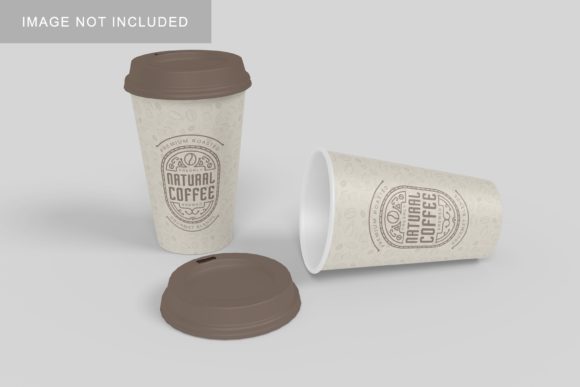
In the competitive landscape of modern branding, visual communication is no longer just about aesthetics; it is about authenticity. Consumers today are savvy. They can spot a flat, digitally rendered image from a mile away, and more importantly, they often distrust it. This shift in consumer behavior has created a critical need for creators, marketers, and business owners to present their work in ways that feel tangible, real, and grounded in reality. Enter Coffee Cup Mockup V2, a specialized tool designed to bridge the gap between digital design concepts and physical product perception. This resource allows professionals to showcase their designs professionally in a realistic 3D display, transforming abstract ideas into compelling visual narratives.
The relevance of high-fidelity mockups cannot be overstated in today’s digital-first economy. Whether you are a freelance graphic designer pitching a rebrand to a local café, an entrepreneur launching a new line of artisanal coffee blends, or a marketer preparing assets for a social media campaign, the way your product is presented directly influences perceived value. A generic template might save time, but it rarely captures attention. A realistic, well-composed mockup does the heavy lifting of storytelling, allowing the viewer to imagine holding the product, smelling the aroma, and experiencing the brand before they have even made a purchase. Coffee Cup Mockup V2 addresses this specific need by providing a sophisticated platform for visualization that respects both artistic integrity and practical workflow efficiency.
The Evolution of Digital Presentation
To understand why tools like Coffee Cup Mockup V2 have become essential, one must look at how creative presentation has evolved over the last decade. In the early days of e-commerce and digital marketing, simple JPEGs of logos placed on white backgrounds were sufficient. However, as platforms like Instagram, Pinterest, and TikTok became primary drivers of discovery, the demand for immersive content skyrocketed. Users scroll rapidly, and static images must stop them in their tracks. The trend has moved toward "lifestyle" imagery—photos that depict products in use, in context, and with natural lighting and shadows.
Simultaneously, the barrier to entry for high-quality photography has lowered, yet the cost of professional photoshoots remains high. Hiring a photographer, renting a studio, sourcing props, and managing post-production is a significant investment for small businesses and independent creators. This economic reality has driven the adoption of advanced digital mockups. These tools allow users to simulate the results of a professional photoshoot without the logistical overhead. Coffee Cup Mockup V2 represents the next generation of these tools, leveraging 3D rendering techniques within a familiar Photoshop environment to provide depth, texture, and realism that flat templates simply cannot achieve.
Streamlining Workflow with Smart-Object Technology
One of the most significant pain points for designers and marketers is time management. Creating a unique visual asset for every variation of a product can be tedious if done manually. This is where the technical architecture of Coffee Cup Mockup V2 shines. Available in PSD Photoshop format with robust smart-object features, this mockup is engineered for speed and ease of use. The core functionality relies on smart objects, which allow users to replace the current designs with their own within seconds.
For those unfamiliar with the mechanics, a smart object acts as a container. You do not paint directly onto the cup’s surface in the mockup file. Instead, you double-click the smart object layer, paste your flat logo or label design, save the changes, and the software automatically maps your design onto the curved surface of the cup, adjusting for perspective, lighting, and curvature. This process eliminates the need for complex manual warping, masking, or blending mode adjustments. It ensures that the final output looks cohesive and physically accurate, maintaining the integrity of the 3D display while allowing for rapid iteration.
This efficiency is particularly valuable for agencies handling multiple clients or brands running A/B tests on different packaging designs. The ability to swap out artwork quickly means you can present multiple options to stakeholders without spending hours on repetitive tasks. Furthermore, the inclusion of a PDF help guide ensures that even users who are less technically proficient can navigate the smart-object workflow with confidence, reducing the learning curve and minimizing errors.
Technical Specifications and Creative Control
Beyond ease of use, the technical quality of a mockup determines its suitability for various applications, from web thumbnails to large-format print presentations. Coffee Cup Mockup V2 is built with high-resolution standards in mind, featuring a size of 3000x2000 pixels at 300 dpi. This resolution is crucial because it ensures that details remain sharp whether the image is viewed on a mobile screen or printed for a brochure. Low-resolution mockups often appear pixelated when scaled up, undermining the professionalism of the design.
Another key feature is the changeable background color. In visual marketing, context is everything. A coffee cup on a stark white background suggests a clean, minimalist aesthetic, suitable for tech-forward or modern brands. A warm, textured wooden table implies comfort, tradition, and craftsmanship. By allowing users to alter the background, Coffee Cup Mockup V2 provides flexibility to match the mood of the campaign. This adaptability means that a single mockup file can serve multiple marketing channels, from email newsletters requiring neutral backgrounds to social media posts needing vibrant, contextual scenes.
It is important to note that the photos used in previews are for illustration purposes only and are not included in the download. This is a standard industry practice, but it underscores the importance of understanding what you are purchasing. The value lies in the editable PSD file and the smart-object structure, not in the stock photography displayed in the thumbnail. Users should expect to bring their own creativity and assets to the table, using the mockup as a canvas rather than a finished photograph.
Practical Applications for Modern Businesses
The utility of Coffee Cup Mockup V2 extends across a wide spectrum of industries. For entrepreneurs in the food and beverage sector, packaging is often the first point of contact with a customer. A realistic mockup allows founders to visualize their label design on the actual vessel, helping them identify potential issues with scale, color contrast, or typography legibility before committing to mass production. This pre-production visualization can save thousands of dollars by preventing costly printing errors.
For educators and freelancers, mockups are powerful portfolio tools. When showcasing skills to potential clients, presenting a logo on a realistic coffee cup demonstrates an understanding of application and context. It shows that the designer thinks beyond the vector file and considers how the brand will live in the real world. Similarly, bloggers and content creators can use these visuals to enhance their articles, making tutorials on branding or packaging design more engaging and visually appealing.
Marketers also benefit significantly from this tool. In an era where personalization is key, brands often create limited-edition designs for holidays or special events. Coffee Cup Mockup V2 enables quick turnaround times for these seasonal assets, ensuring that marketing materials are fresh and relevant without delaying launch dates. The realistic 3D display helps consumers connect emotionally with the product, increasing the likelihood of engagement and conversion.
Conclusion
The demand for authentic, high-quality visual content continues to grow as digital saturation increases. Tools like Coffee Cup Mockup V2 offer a practical solution to the challenge of standing out in a crowded marketplace. By combining realistic 3D visualization with the accessibility of Photoshop smart objects, this mockup empowers users to present their designs professionally and efficiently. It bridges the gap between concept and reality, allowing creators to focus on their message rather than the mechanics of image creation. For anyone looking to elevate their brand presentation, investing in such high-fidelity resources is not just a luxury—it is a strategic necessity.