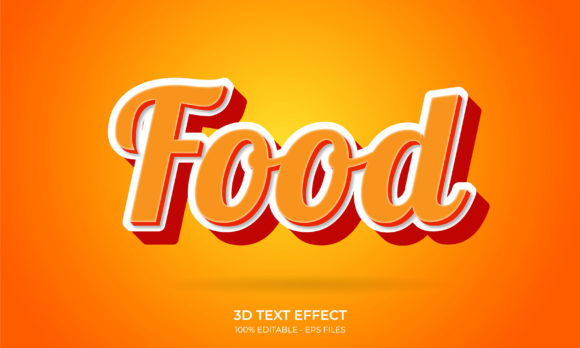
3d Text Effect - Food Text Style
In the world of visual communication, text is rarely just about conveying information; it is about evoking emotion, triggering appetite, and creating a memorable brand identity. For designers, marketers, and content creators, the challenge often lies in making typography stand out without sacrificing readability or aesthetic harmony. This is where specialized design assets become invaluable tools. Specifically, the 3d Text Effect - Food Text Style offers a unique solution for projects that require a tactile, appetizing, and visually engaging presentation of words.
This article explores what this specific text effect entails, its technical specifications, and how it can be practically applied across various creative industries. Whether you are designing a menu, crafting social media graphics, or developing packaging for a culinary product, understanding the nuances of food-themed 3D typography can significantly enhance your output.
Understanding the Core Concept
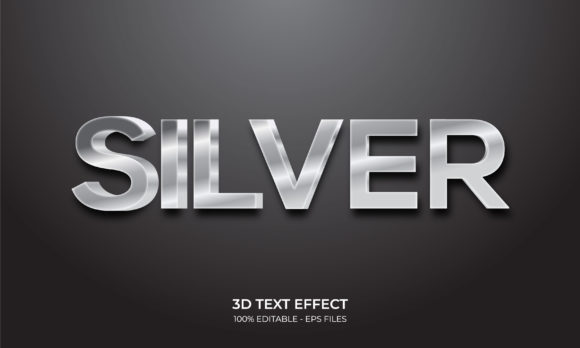
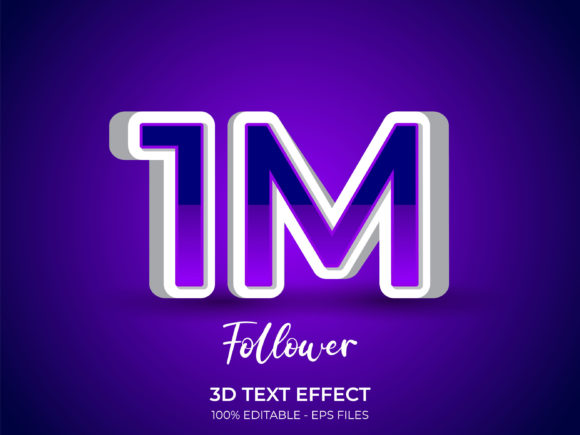
The term "3d Text Effect - Food Text Style" refers to a digital design resource that transforms standard flat typography into three-dimensional objects modeled after edible items. Unlike generic 3D fonts that might resemble plastic, metal, or stone, this style specifically mimics the textures, colors, and forms of food. Imagine letters made of swirling vanilla ice cream, bold headlines carved from fresh watermelon slices, or subtitles crafted from crispy golden fries.
The primary purpose of this asset is to bridge the gap between language and sensory experience. When a viewer sees text rendered as food, their brain instinctively associates the message with taste and smell. This psychological connection makes it an incredibly powerful tool for branding in the food and beverage sector, but also for lifestyle brands aiming to evoke comfort, joy, or indulgence.
Technical Specifications and Features
For professionals who value precision and flexibility, the technical attributes of a design asset are just as important as its visual appeal. The 3d Text Effect - Food Text Style is engineered to meet high industry standards, ensuring that users can integrate these effects seamlessly into their existing workflows.
- High-Resolution Output: The included files are designed at 300 DPI Resolution. This is the gold standard for print media, ensuring that whether you are printing a large banner, a magazine advertisement, or a high-quality menu, the text remains crisp, clear, and free from pixelation. It guarantees professional-grade quality for both digital screens and physical prints.
- Vector RGB Color Mode: The asset is provided in 100 Vector RGB color mode. Being vector-based means that the text elements are mathematically defined, allowing them to be scaled to any size without losing quality. You can resize a logo from the size of a business card to the size of a billboard without any degradation in sharpness. The RGB color mode ensures vibrant, screen-accurate colors that pop on digital platforms, while maintaining fidelity when converted for print if necessary.
- Editable and Customizable: One of the most significant advantages of this style is its editability. Designers are not locked into pre-set configurations. The layers and paths are structured to allow for easy modification. You can change the color palette to match your brand guidelines, adjust the thickness of the "ingredients," or swap out one food texture for another. This flexibility empowers creators to tailor the effect to specific campaign themes.
What’s Included in the Package
To facilitate ease of use across different software environments, the package is comprehensive. Users receive a Zip file included containing all necessary resources. This organization saves time and reduces the hassle of managing multiple downloads. Inside, you will find:
- AI File: The Adobe Illustrator source file. This is crucial for vector-based editing, allowing designers to manipulate individual paths, colors, and gradients with precision. It serves as the master template for any customizations needed.
- EPS File: An Encapsulated PostScript file, which is compatible with a wide range of graphic design applications beyond Adobe Creative Cloud. This ensures accessibility for users working with older software or alternative design tools.
- JPG file: A high-resolution raster image ready for immediate use. If you need a quick graphic for a social media post or a website header and do not wish to open a vector editor, the JPG provides an instant, polished result.
Practical Applications and Use Cases
The versatility of the 3d Text Effect - Food Text Style extends far beyond simple decoration. Here are several real-world scenarios where this asset adds tangible value:
Restaurant and Café Branding
For hospitality businesses, atmosphere is key. Using food-textured typography in interior signage, window decals, or promotional flyers creates an immersive dining experience before the customer even takes a bite. It reinforces the menu's offerings visually, making the establishment feel more authentic and inviting.
Social Media Marketing
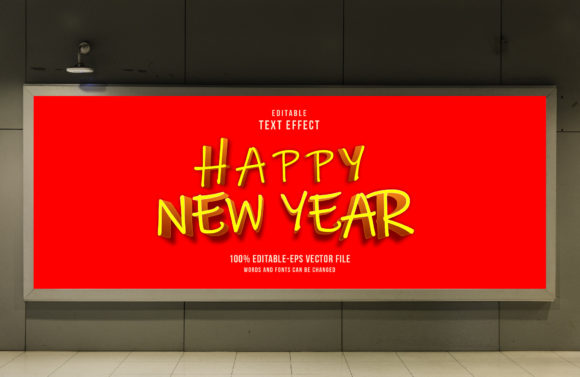
In the fast-scrolling world of Instagram, TikTok, and Facebook, static images must grab attention instantly. A headline written in "candy-coated" or "juicy fruit" 3D text stands out against the feed. It stops the scroll and encourages engagement. Small businesses and influencers can use these templates to create consistent, eye-catching content without hiring a dedicated graphic designer for every post.
Packaging Design
Product packaging is the first point of contact with consumers. Applying this text effect to labels for gourmet snacks, artisanal chocolates, or organic juices can differentiate a product on crowded shelves. The tactile look of the text suggests quality and craftsmanship, appealing to consumers who value premium ingredients.
Digital Advertising and Web Banners
Online advertisers often struggle with click-through rates. Visual novelty plays a huge role here. A web banner featuring 3D text made of pizza slices or burger buns immediately communicates the offer without needing extensive copy. It is direct, humorous, and effective.
Evaluating Suitability for Your Project
While the 3d Text Effect - Food Text Style is powerful, it is not a one-size-fits-all solution. Understanding its limitations and best practices is essential for successful implementation.
Readability vs. Creativity: Highly stylized 3D text can sometimes compromise legibility. It is important to ensure that the contrast between the text and the background is sufficient. Avoid placing complex food textures over busy backgrounds. Simple, clean backgrounds allow the intricate details of the food-style text to shine through.
Brand Consistency: While fun, this style may not align with corporate identities that prioritize minimalism or seriousness. For example, a law firm or a medical clinic would likely find this style inappropriate. However, for lifestyle, entertainment, and culinary brands, it fits perfectly within the brand voice.
Color Psychology: Since the text relies on food imagery, color choices carry inherent meanings. Red and yellow often stimulate appetite (think fast food), while green suggests freshness and health. Leverage these associations by choosing food textures that align with the emotional tone you wish to convey.
Conclusion
The 3d Text Effect - Food Text Style represents a fusion of artistic creativity and practical utility. By providing high-resolution, editable, and versatile design files in AI, EPS, and JPG formats, it empowers creators to produce stunning visuals that resonate with audiences on a sensory level. Whether you are enhancing a local cafe's menu or launching a global digital campaign for a new snack brand, this asset offers the tools to make your text not just seen, but felt. Embracing such specialized design elements can elevate your work from ordinary to extraordinary, turning simple messages into memorable experiences.