Transforming Digital Designs into Tactile Art with the 3D Valentine Rose Flowers Circle Frame
The intersection of digital precision and traditional craftsmanship has given rise to a new era of creative expression, particularly within the realms of paper crafting and home decoration. At the forefront of this movement is the 3D Valentine Rose Flowers Circle Frame, a sophisticated design asset that bridges the gap between simple clipart and complex architectural modeling. This multi-layered SVG cut file is not merely an image; it is a blueprint for depth, texture, and dimensionality. For hobbyists, professional designers, and educators alike, understanding how to leverage these files opens up a world of possibilities ranging from intricate scrapbooking layouts to grand wedding installations.
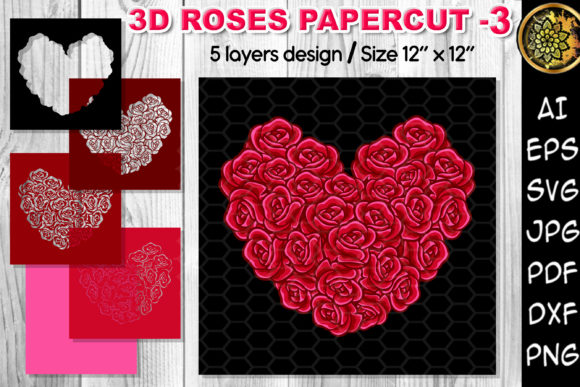
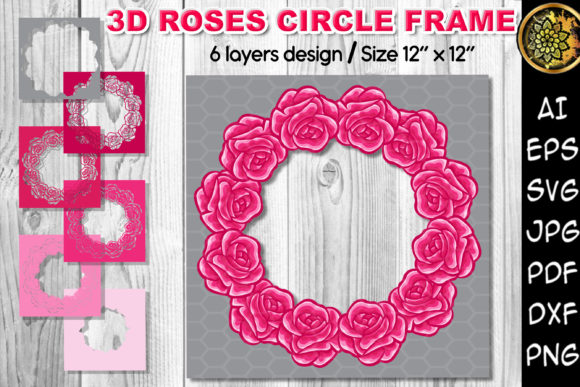
Unlike standard two-dimensional graphics, the 3D Rose Circle Frame Border Multi-Layered Design relies on the strategic placement of multiple layers to create visual depth. Each layer represents a distinct plane in the final composition, allowing creators to build a structure that appears to float off the page or surface. This technique, often referred to as "shadow box" styling in the papercraft community, transforms flat card stock or vinyl into a tangible object that catches light and shadow, adding a premium feel to any project. The versatility of this specific design allows it to serve as a central focal point for greeting cards, a decorative border for invitations, or a standalone piece of wall art, making it an essential tool for anyone looking to elevate their DIY projects.
The Anatomy of Multi-Layered Vector Design
To fully appreciate the utility of the 3D Valentine Rose Flowers Circle Frame, one must first understand the technical architecture behind multi-layered vector files. These designs are constructed using Scalable Vector Graphics (SVG) and other compatible formats like AI and EPS, which define shapes using mathematical equations rather than pixels. This ensures that regardless of the size at which the design is printed or cut, the edges remain crisp and clean.
The core characteristic of this specific asset is its layered composition. A typical multi-layered rose frame might consist of six or more individual files, each representing a different depth level. The base layer often forms the outer border or the foundational circle, while subsequent layers introduce the petals, leaves, and intricate scrollwork details. By stacking these layers with small gaps between them—often achieved using foam adhesive dots or spacers—the creator introduces a three-dimensional effect. This is where the term "3D" in the product title becomes literal; the design is engineered to have physical volume when assembled correctly.
The inclusion of a transparent background in the PNG versions of these files is crucial for previewing the design before cutting. It allows users to see exactly how the negative space interacts with the positive space, ensuring that the delicate connections between the rose petals and the circular frame are maintained. This attention to detail prevents material waste during the cutting process, as users can verify the structural integrity of the design digitally before committing expensive materials like gold foil cardstock or leather to the blade.
Material Versatility and Creative Applications
One of the most compelling aspects of the 3D Valentine Rose Flowers Circle Frame is its adaptability across various media. While traditionally associated with paper crafting, the design’s geometric simplicity and organic complexity make it suitable for a wide array of substrates. The choice of material significantly alters the final aesthetic and functional outcome of the project.
- Paper and Card Stock: This is the most common application. Heavyweight card stock, such as 110lb to 120lb cover weight, provides the necessary rigidity to hold the 3D structure without collapsing. Creators often use textured papers, like linen or cotton rag, to add tactile interest that complements the visual depth of the rose frame.
- Vinyl and Adhesive Decals: When cut from colored vinyl, the 3D Rose Circle Frame Border can be used to create window decals or wall murals. By applying the layers with slight offsets, artists can create a stained-glass effect on glass surfaces, perfect for Valentine’s Day windows or wedding venue decorations.
- Felt and Fabric: For soft decor items, such as baby mobiles, quilt blocks, or fabric wall hangings, the design can be cut from felt. The lack of sharp edges in the layered design makes it safe for children’s products while maintaining a high-end, boutique look.
- Metal and Acrylic: Advanced makers with access to laser cutters or robust CNC routers can translate these vector files into metal sheets or acrylic. A rose frame cut from brushed brass or clear acrylic serves as a stunning jewelry holder or a modern art piece, demonstrating the scalability of the original design.
In the realm of wedding decor, the 3D Valentine Rose Flowers Circle Frame shines brightly. It can be scaled up to create backdrop elements for photo booths, escort card holders, or even centerpieces. Imagine a large-scale version mounted on a wooden easel, with layers of white, blush, and ivory cardstock creating a lush, dimensional bouquet that frames the couple's initials. The endless options for color combinations mean that no two weddings need to look the same, offering a personalized touch that resonates with guests.
Workflow Integration with Cutting Machines
The seamless integration of digital files with modern cutting machines is a primary driver of the DIY industry's growth. The ZIP archive provided with the 3D Valentine Rose Flowers Circle Frame includes a comprehensive suite of file formats designed to work effortlessly with popular software ecosystems. Whether you are using Cricut Design Space, Silhouette Studio, or Adobe Illustrator, the included AI, EPS, DXF, and SVG files ensure compatibility.
The workflow typically begins with importing the SVG or DXF file into your chosen software. Because the design is multi-layered, it is vital to organize the layers correctly. Most cutting machines require each layer to be on a separate page or assigned to a different color to ensure accurate registration. This means that when you load your material, the machine will cut the first layer, then you reload the next layer (or move to the next sheet), and so on. Precision in alignment is key; many crafters use registration marks or careful manual positioning to ensure that the layers stack perfectly, preventing misalignment that could ruin the 3D effect.
The inclusion of six DXF files alongside the SVGs is particularly beneficial for users of older software or those who prefer working in CAD environments. DXF files are widely supported by a variety of plotters and laser cutters, expanding the potential user base beyond just desktop cricut users. Furthermore, the presence of JPG and PDF files aids in the planning phase. Users can print these static versions to test colors, experiment with layout compositions, or create templates for hand-cutting if they do not own a digital cutter.
Color Psychology and Aesthetic Customization
While the design comes in solid-colored layers for ease of printing and cutting, the true power of the 3D Rose Circle Frame Border Multi-Layered Design lies in its customizability. Color plays a pivotal role in setting the mood of a project, and the neutral nature of the black-and-white source files allows for unlimited creative freedom.
For Valentine’s Day themes, traditional reds and pinks are obvious choices, but modern interpretations often favor muted tones. Consider using dusty rose, sage green, and cream for a romantic yet sophisticated look. Alternatively, monochromatic schemes, such as varying shades of blue or gray, can create a contemporary, gender-neutral aesthetic suitable for anniversaries or general home decor. The ability to change colors easily means that the same design file can be repurposed seasonally. A winter-themed version might utilize silver, white, and icy blue layers, while a spring edition could incorporate pastel yellows and greens.
Educators can also leverage this flexibility. In art classrooms, students can explore color theory by assigning different color palettes to the same 3D structure. They can learn how contrasting colors pop against each other in a layered environment versus analogous colors that blend harmoniously. This practical application turns a simple craft activity into a lesson on design principles, spatial awareness, and material properties.
Considerations for Professional Quality Results
Achieving professional-grade results with the 3D Valentine Rose Flowers Circle Frame requires more than just pressing the "cut" button. Attention to detail throughout the production process is essential. One critical consideration is the grain direction of the paper or material. Cutting along the grain can sometimes cause warping, especially in larger pieces, so testing small sections first is advisable.
Another factor is the quality of the adhesive used for assembly. Standard school glue may yellow over time or fail to provide enough lift for the 3D effect. Double-sided foam tape or specialized dimensional adhesive dots are recommended for their longevity and consistent height. For intricate pieces with many small petals, using tweezers to place the adhesive ensures precision and keeps fingers clean.
Finally, storage and presentation matter. Once assembled, these pieces are fragile due to their protruding layers. Storing them flat under heavy weights can help maintain their shape, or they can be displayed in deep-frame shadow boxes that protect the artwork while enhancing the 3D illusion. For commercial sellers, packaging these items in rigid mailers with corner protectors ensures they arrive at their destination in pristine condition, preserving the brand reputation and customer satisfaction.
Conclusion
The 3D Valentine Rose Flowers Circle Frame represents more than just a digital asset; it is a gateway to enhanced creativity and tangible artistry. By combining the precision of vector technology with the warmth of traditional papercraft, this multi-layered design empowers creators to produce works that are visually striking and emotionally resonant. Whether used for personal home decor, commercial wedding supplies, or educational activities, the versatility and depth of this design offer endless opportunities for innovation. As the DIY market continues to evolve, tools that facilitate high-quality, customizable, and scalable designs will remain indispensable for both seasoned professionals and enthusiastic beginners.